

Charlotte’s Spring Real Estate Market in 2026: What Sellers Need to Know
Every spring the Charlotte real estate market wakes back up — and this year it's asking for a little more than before. Buyers are still out there, but they're comparing more carefully and taking their time. Here's what I'm seeing from behind the camera, and what it means for sellers heading into spring 2026.
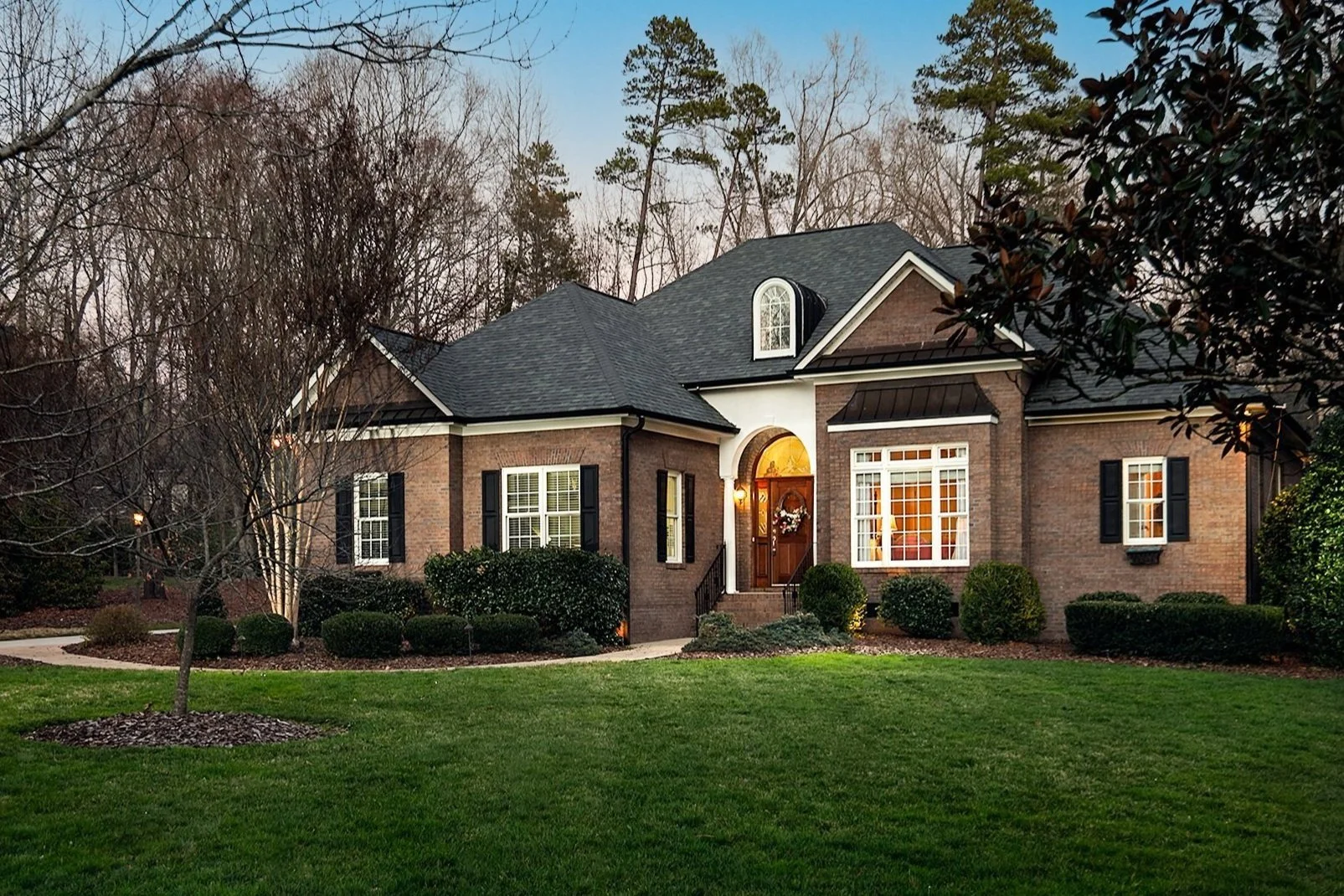
I've been showing up to homes across the Charlotte area for a while now with a camera bag over my shoulder and a smile on my face, and every spring I feel that same shift in the air. The market starts waking up. Sellers start asking questions. Agents start calling. And buyers — they come back out, start scrolling, start comparing, start dreaming again.
This spring feels a little different though, and I think it's worth talking about.
I was watching a local news segment recently featuring Charlotte real estate agent Kate Tirigno, and something she said stuck with me. Charlotte is still strong. People are still moving here. Areas like Huntersville, Waxhaw, Union County, and Fort Mill are still getting real attention. But homes aren't selling themselves the way they were a couple years ago. Buyers are more careful now. They're comparing more. Taking a little more time before they commit.
And honestly? As a real estate photographer in Charlotte, I think that's actually a good thing — because it means the work matters again.
What I See Walking Into These Homes
I never know who's going to open the door when I knock, and that's one of my favorite parts of this job. Sometimes it's a young couple moving into their first real home. Sometimes it's a family that's been in their house for twenty years and is finally ready for the next chapter. Sometimes they follow me room to room telling me stories about the place, and I love every second of it.
What I've learned from walking into hundreds of homes across the Charlotte area is that buyers feel what a home is trying to say before they ever read the listing description. They feel it in the photos. They feel it in whether the space looks cared for or thrown together. They make up their minds faster than most sellers realize — and in 2026, they're making those decisions on a phone screen before they ever schedule a showing.
In a market where buyers are being more selective, that first impression online isn't just important. It's everything.
The Listings That Are Getting Traction Right Now
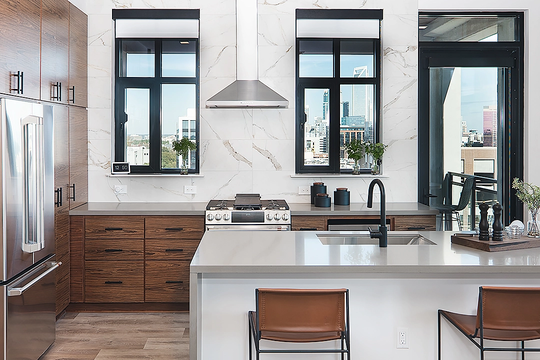
The homes I'm seeing perform well in the Charlotte market this spring share a few things in common. They're priced honestly. They're decluttered and presented with care. And they're being marketed with professional real estate photography that actually does them justice.
Not fake. Not over-filtered. Not shot on a phone at noon with every light off. Just honest, elevated work that helps a buyer understand what the space actually feels like to be in.
That's what I'm going for every single time I set up a shot. I want the home to feel like itself on its best day. small change, BIG DIFFERENCE — it's been my slogan for a reason.
What Is Rich Media, and Why Does It Matter for Your Listing?
You might be hearing the term "rich media" more lately and wondering what it actually means. Simply put, rich media is everything beyond a standard photo gallery that helps a buyer experience a home online. We're talking about things like:
Walkthrough video — a guided tour that shows how rooms connect and how the home actually flows
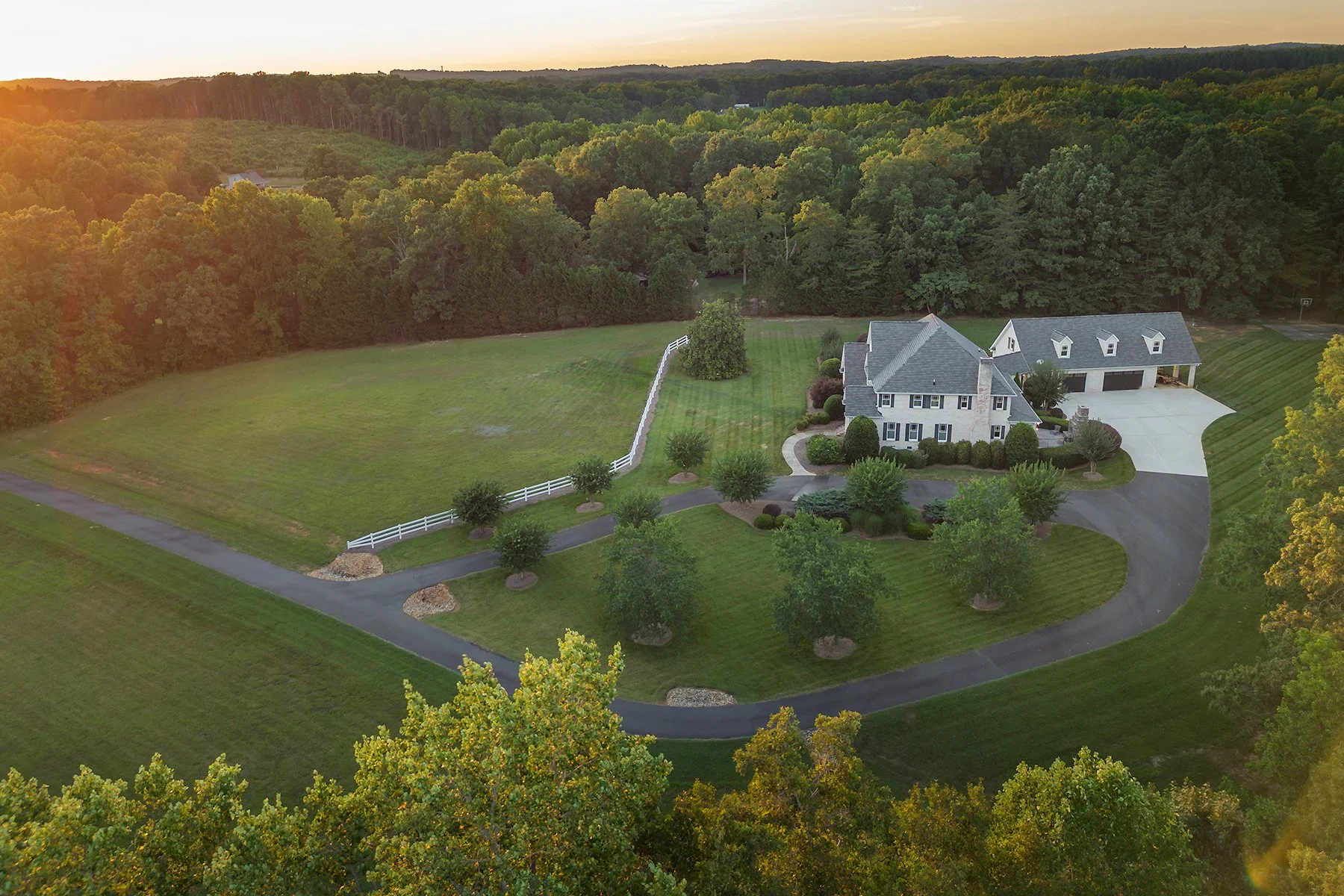
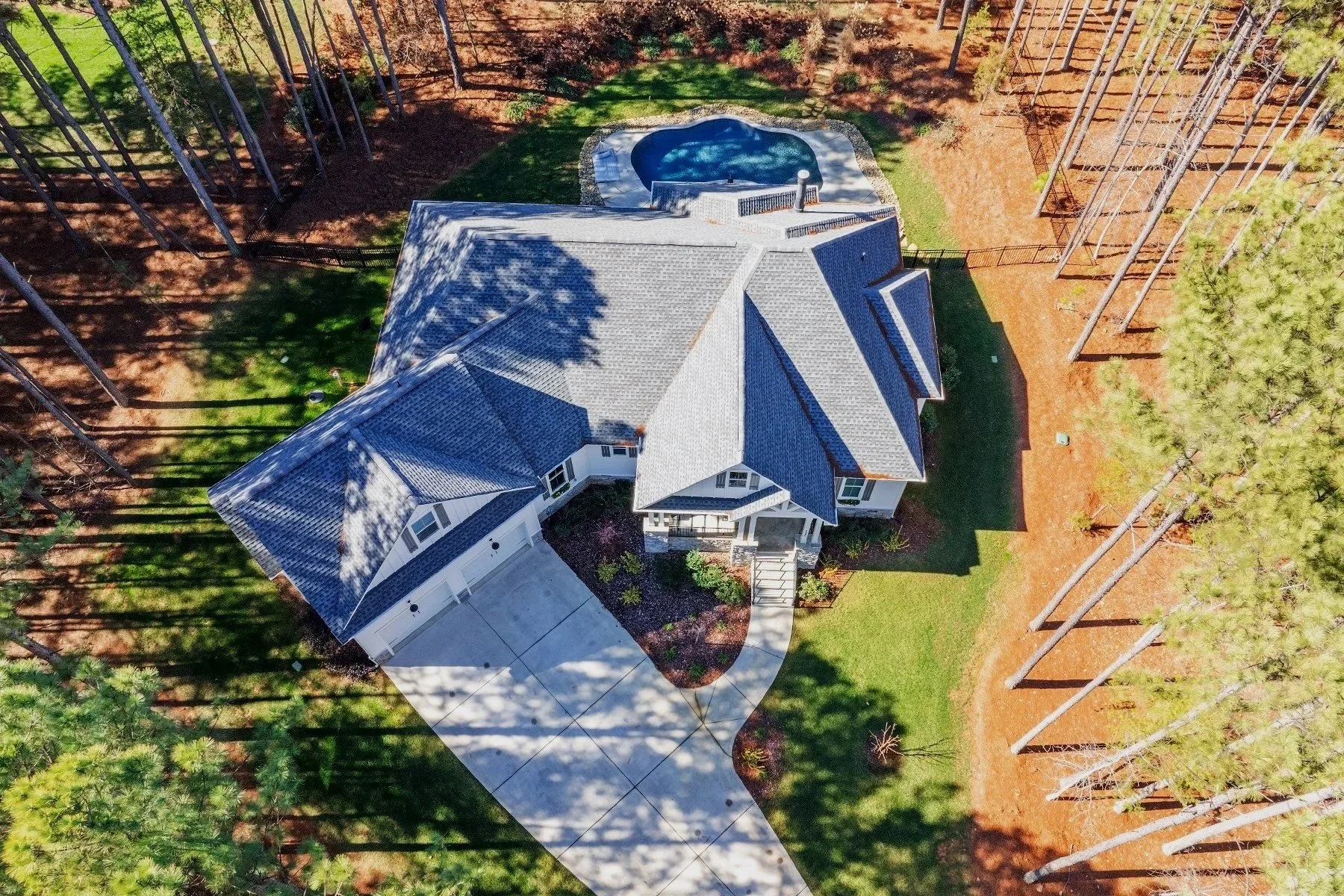
Drone/aerial photography — exterior shots and neighborhood context that ground-level photos can't capture
3D virtual tours — lets buyers walk through the home on their own time, from anywhere
Interactive floor plans — helps buyers understand the layout and room sizes before they visit
Virtual staging — digitally furnishing an empty or dated space so buyers can visualize it properly
None of this is about impressing anyone with gadgets. It's about answering the questions that still photos can't always answer on their own. A buyer scrolling through listings at 10pm wants to know how the layout works. They want to feel the size of the primary bedroom. They want enough confidence to actually book a showing.
That's what rich media does. And in a more competitive, buyer-careful market like Charlotte right now, listings that offer that extra clarity are standing out from the ones that don't. Here is a full blog post on Rich Media.
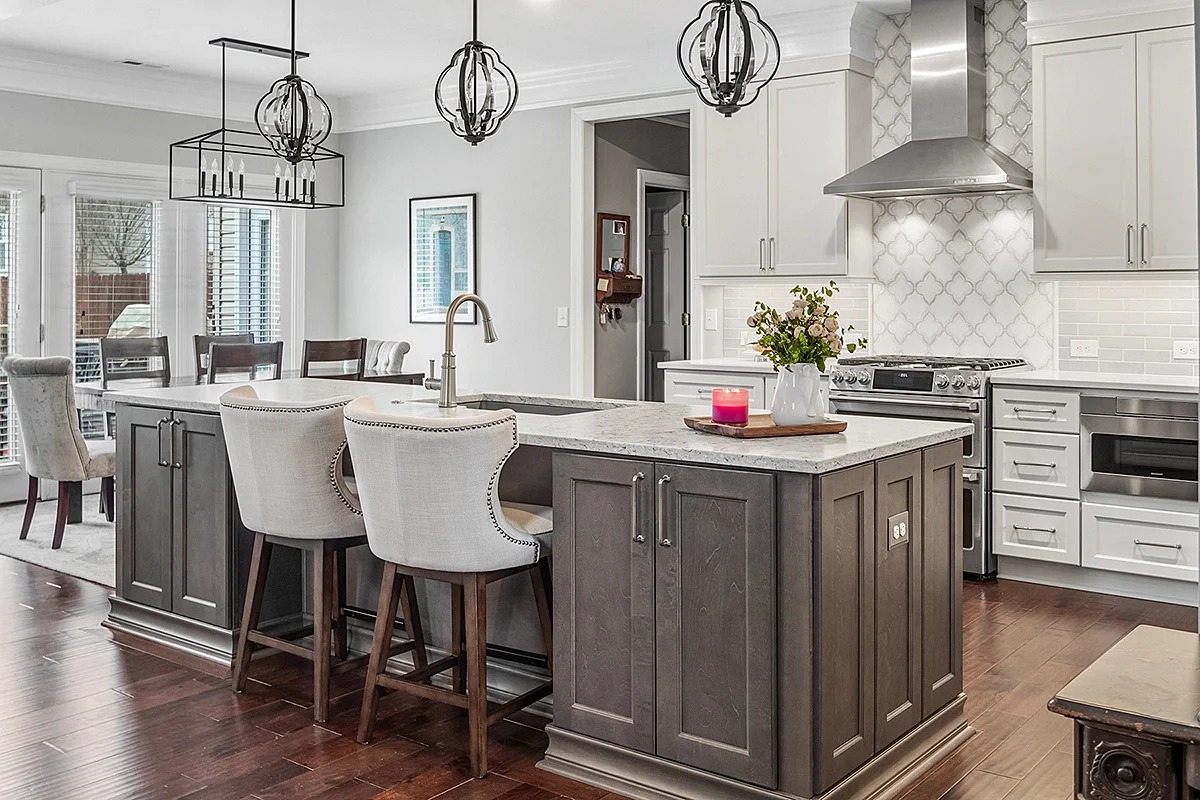
Charlotte Is Still a Great Place to Sell — But Presentation Matters More
The demand is still here. The growth is still here. People are still relocating to Charlotte from bigger markets, and that hasn't changed. But this market is rewarding the sellers and agents who put in the work — on the prep, on the pricing, and on the visual marketing.
Professional real estate photography in Charlotte isn't a luxury add-on anymore. It's the baseline. And rich media is quickly becoming the new standard for listings that want to compete at the top of the market.
I genuinely love getting to be part of that process. There's something really satisfying about delivering a gallery — photos, video, floor plan, all of it — and knowing the people who trusted me now have something that gives their home a real shot.
If you're a seller or listing agent preparing for the Charlotte spring market, I'd love to be part of your team. You can find my work at sixcentsmedia.com.
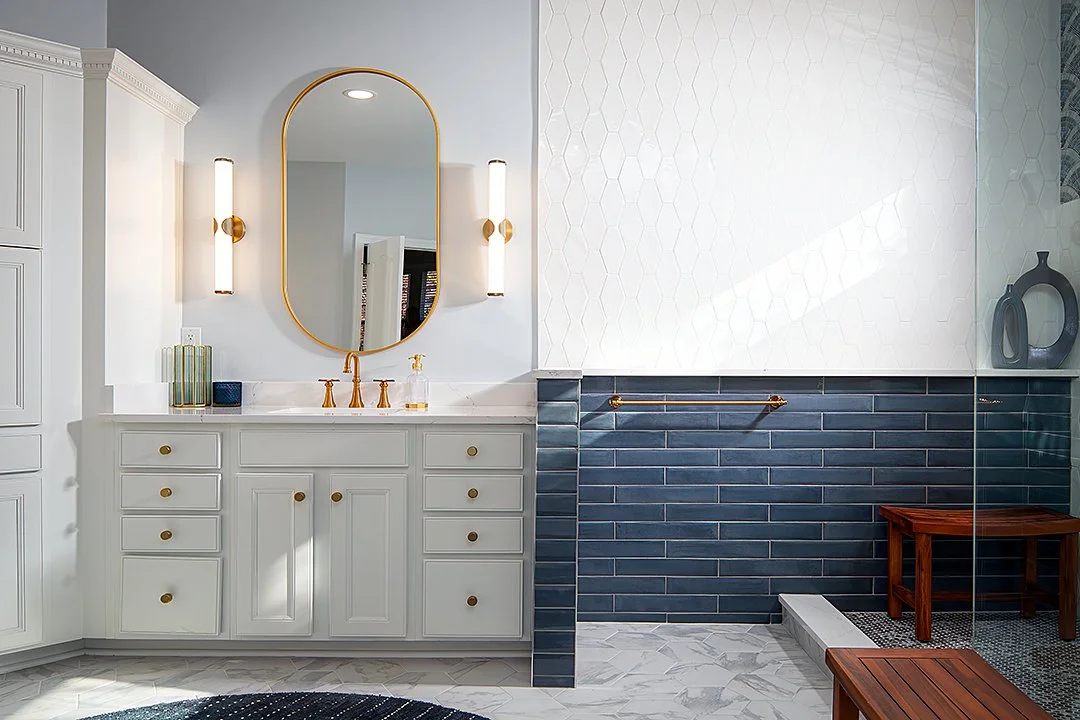
Rich Media in Real Estate Marketing: Why “Photos Only” Is Fading Fast in 2026
Photos still matter. But in 2026, buyers shop deeper online and agents want listings that perform. This post breaks down what “rich media” really means, why it’s becoming standard, and how to package it as simple coverage bundles—without sounding salesy or burning out.
I’ve learned something working with agents: if it’s not right in front of them, it might as well not exist.
Not because they don’t care. They’re just juggling a hundred details at once.
So most of the time, I’ll deliver photos, everything’s fine, the listing goes live, and we keep it moving.
Then later an email pops up:
“Hey—do you offer video?”
“Can we do a floor plan next time?”
“My seller asked about a 3D tour.”
Sometimes it’s from an agent I’ve worked with for years.
And that’s exactly why rich media is becoming the new normal. Not because anyone’s trying to be difficult, but because the market keeps raising the bar.
In this post
• What “rich media” means (in plain English)
• Why buyers and agents are pushing it
• The “capture once, reuse everywhere” shift
• Simple bundles that sell without friction
• How to talk about it without sounding salesy
• FAQ
The quick reality check
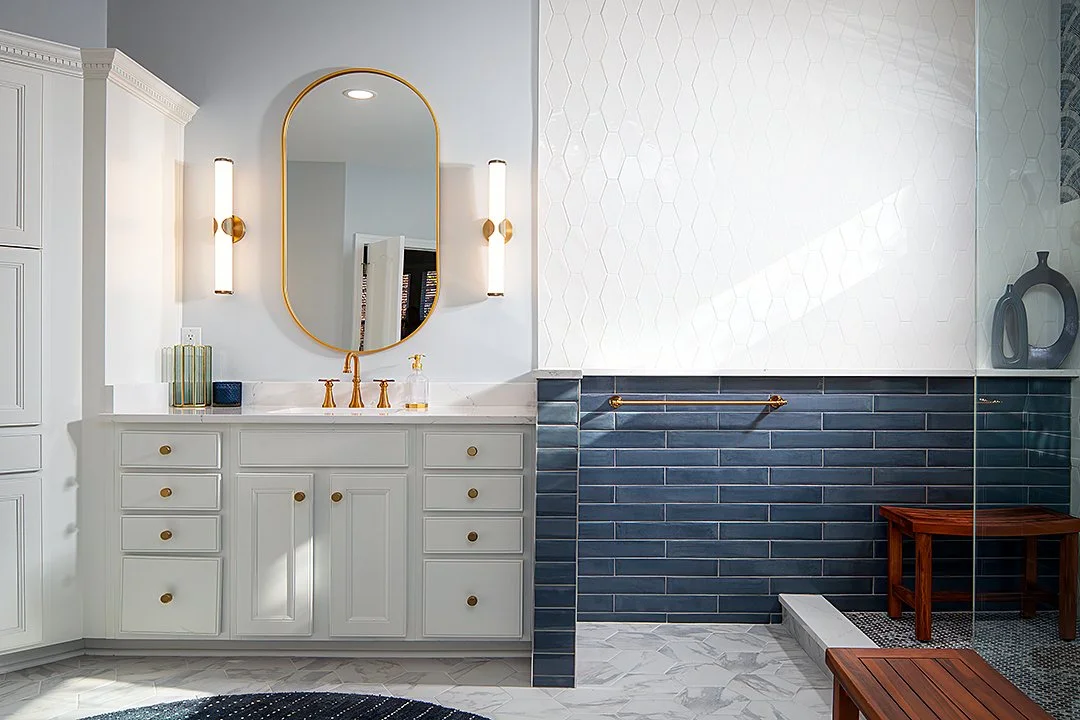
Photos still matter. Big time. But buyers don’t shop like they used to. They’re scrolling longer, comparing more, and forming opinions before they ever schedule a showing. So the expectation has shifted from “great photos” to “great marketing coverage.”
And if you’re a photographer, that’s actually good news, because it means you can grow without doing twice as many shoots.The win in 2026 isn’t more listings on your calendar. It’s more value per listing you touch. small change, BIG DIFFERENCE.
So what is “rich media,” really?
“Rich media” is just a fancy way of saying: more than photos. It’s the extra content that helps someone understand a home when they’re sitting on a couch with their phone at 10:30 at night.
Today, rich media usually includes:
Walkthrough video (full version + short clips for social)
AI-assisted visuals (like item removal, twilight conversions, staged variations)
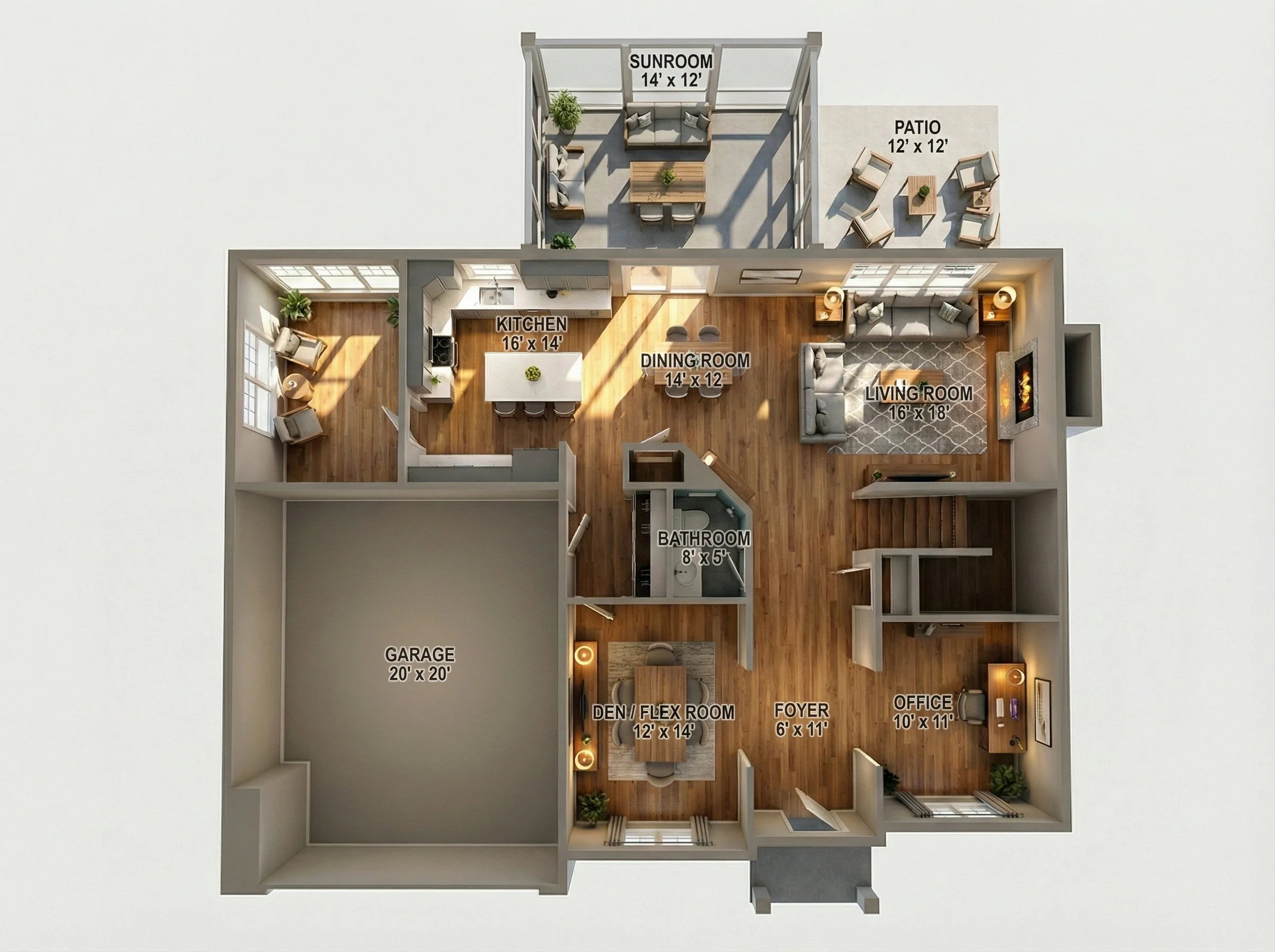
3d floor plan with furniture
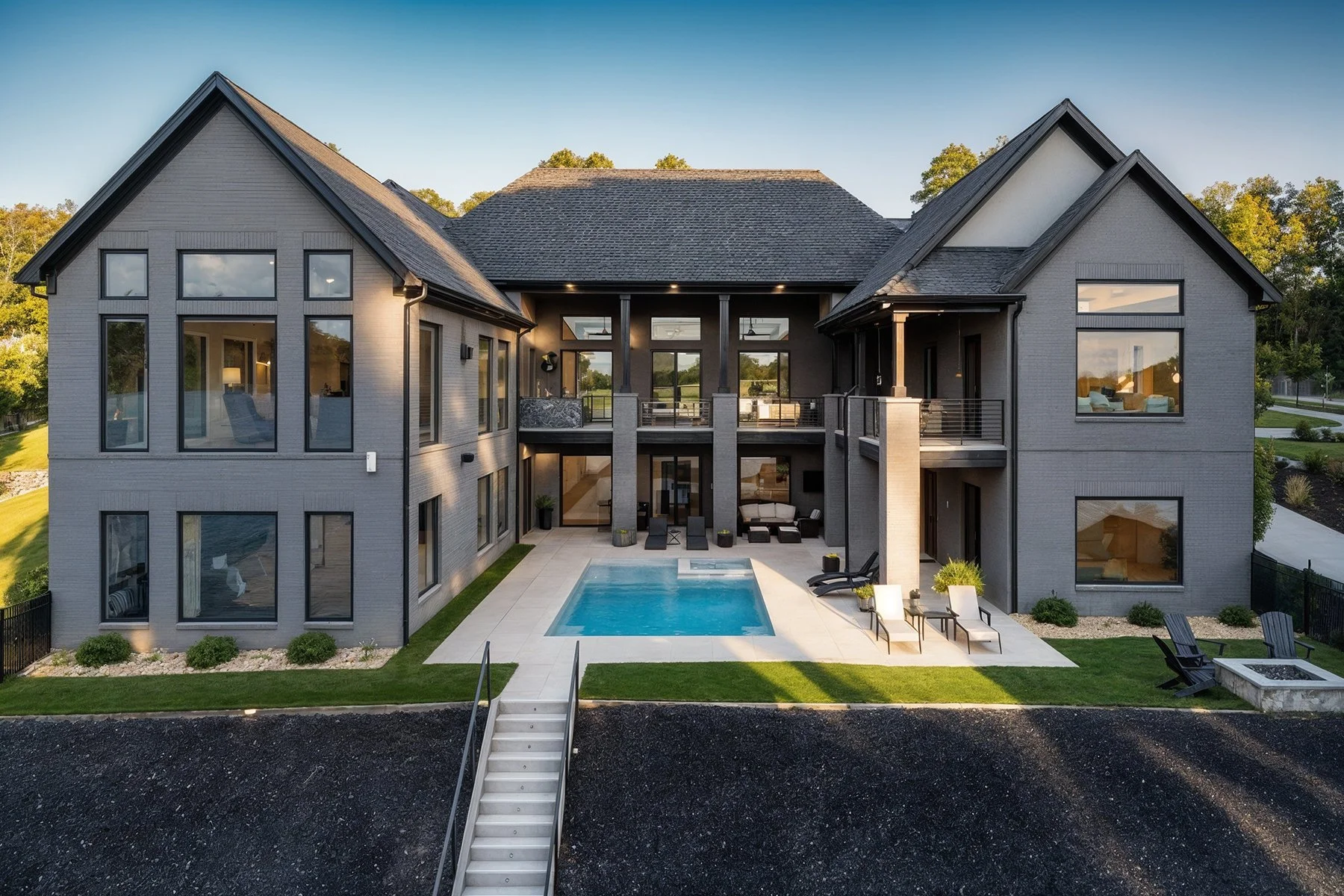
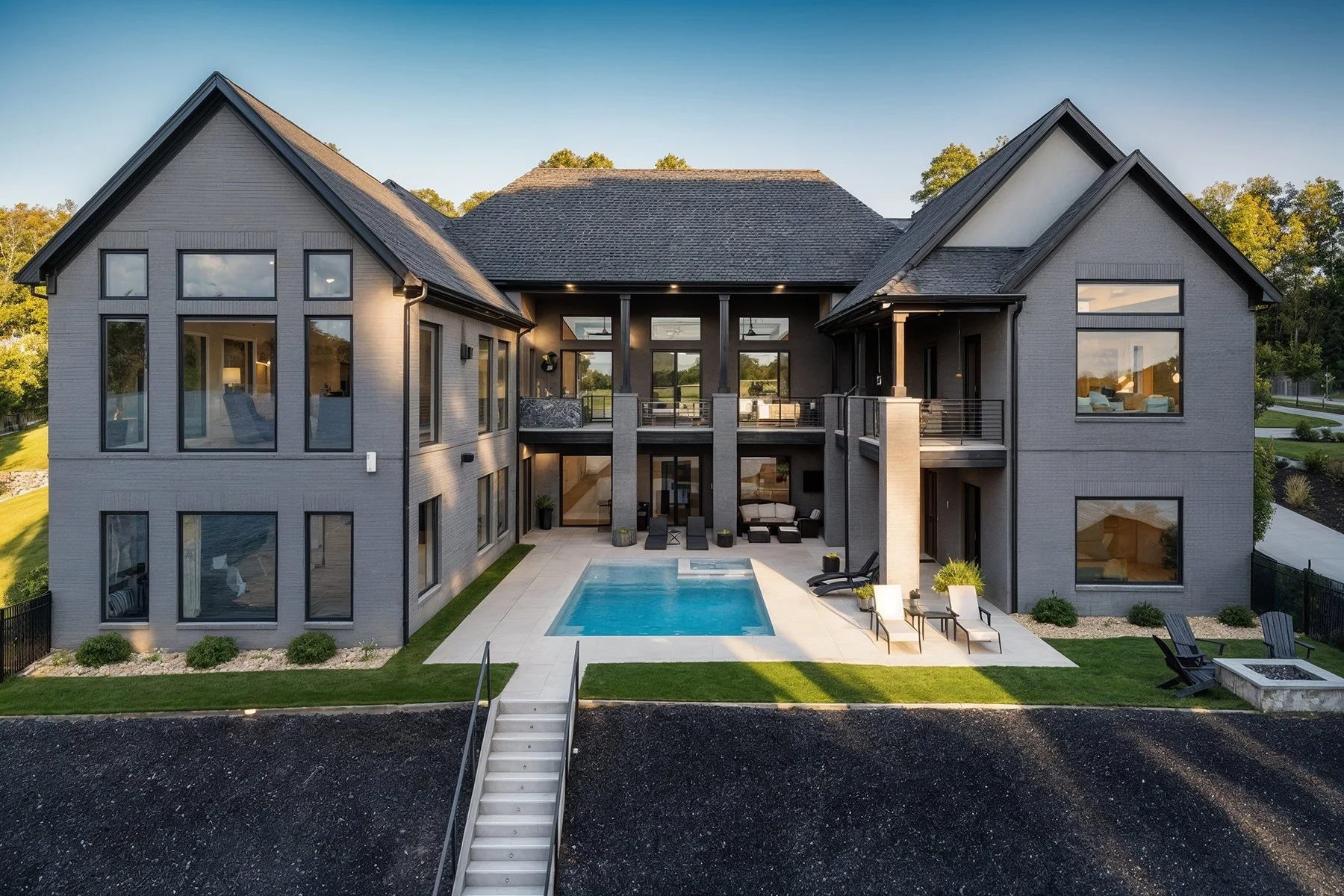
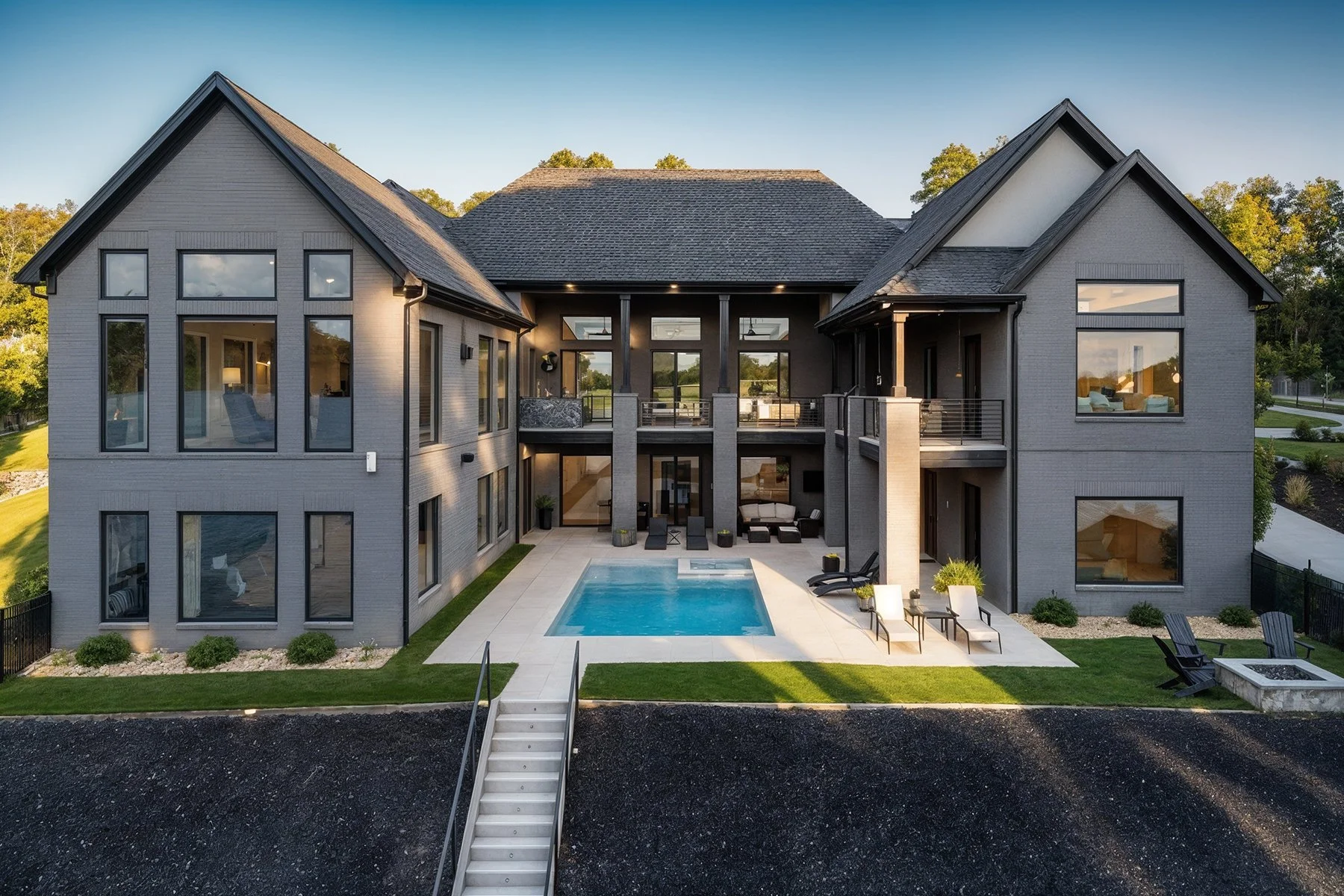
A twilight photo as the sun is setting on this beautiful modern home.
It’s not about piling on “extras.” It’s about removing uncertainty. The faster a buyer can understand the space, the faster they can take a confident next step.
Why this is happening (and why it’s not slowing down)
This shift didn’t come out of nowhere. It’s being pushed by real buyer behavior, real competition, and real pressure on agents to market listings harder. Here are the three reasons I see it accelerating.
Buyers want to understand a home faster
Most buyers don’t want to waste time driving around.
They want to rule homes in or out before they spend a whole afternoon touring.
Rich media helps answer the questions photos can’t always answer:
• How does the home flow?
• What’s the layout actually like?
• Does it feel open or chopped up?
• How does the property sit on the lot?That’s what rich media really sells: Confidence. Earlier.
Agents want listings that perform
Agents aren’t buying content because it looks cool. They’re buying it because they want the listing to move. More clicks. More saves. More inquiries. More showings. More urgency. When your media supports that performance, you stop being “the person who takes photos.” You become part of the marketing plan. And that relationship is a lot harder to replace.
Simple bundles make it easy to say yes
Here’s something I’ve noticed: when you make people build an order from scratch, they tend to choose the minimum.
Not because they don’t want more, but because they’re busy and decision fatigue is real. Bundles remove friction. And when you remove friction, agents choose stronger coverage more often.
Here’s the shift that changed everything for me
The biggest mindset change for 2026 is simple:
Stop thinking in deliverables. Start thinking in outputs. Because one good capture can turn into a lot more than one deliverable.
One walkthrough can become:
• a full video
• 5–10 short clips
• a reel the agent can post all month
• a teaser that actually gets shared
One scan can become:
• a 3D tour
• a floor plan
• a faster “layout read” for buyers
One drone flight can create:
• aerial photos
• video clips
• establishing shots that make the whole listing feel more premium
Not more shoots.
More value per shoot.
The bottom line
In 2026, the goal isn’t to shoot more houses until you’re exhausted. The goal is to show up once and deliver something that makes the listing feel complete. Because listings don’t win just because they exist. They win because they perform. And rich media—done the right way—is one of the simplest ways to help that happen. small change, BIG DIFFERENCE.
FAQ
What counts as rich media?
Anything beyond photos—usually video, 3D tours, floor plans, drone media, virtual staging, and AI-assisted visuals.
Do I need video and a 3D tour on every listing?
No. For a lot of homes, photos + floor plan + a short walkthrough video is the best bang for the buck. Save 3D tours for homes where space, flow, and layout are major selling points.
What’s the easiest rich media upgrade to start with?
Floor plans and short walkthrough video. They’re easy for agents to understand, easy to bundle, and they add instant clarity for buyers.
Call to action
If you want listing media that matches how buyers shop in 2026, take a look at my coverage packages. If you don’t see what you need there, I can create a custom package based on your price point, layout complexity, and marketing goals.
Wishing you a fast sale.
Is Twilight Real Estate Photography Worth the Extra Cost?
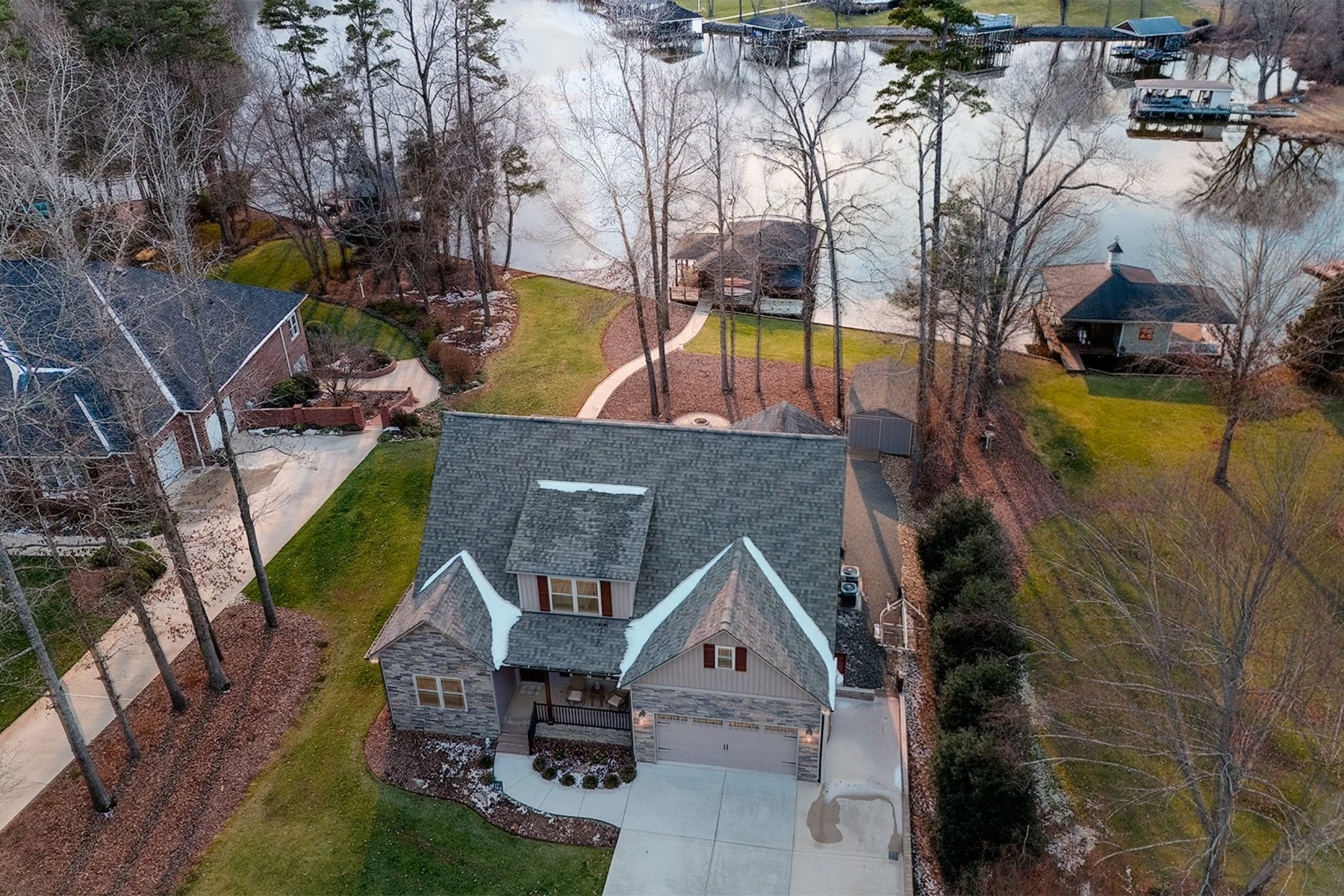
A twilight image of a house on Lake Tillery, NC
Twilight real estate photography involves shooting a property's exterior during the "blue hour," the short window just after sunset. This technique balances the warm glow of the home's interior lighting with the cool, deep blues of the evening sky, creating a premium aesthetic that has been proven to significantly increase click-through rates on listing sites like Zillow and the MLS.
You’ve seen that listing photo that stops you mid-scroll. The house looks warm, inviting, and almost magical against a deep evening sky. It doesn't just look like a house; it looks like a dream home.
But as a Charlotte real estate agent or seller looking at the price tag for a twilight add-on, you might wonder: Is this just a gimmick, or is it a necessary investment to get top dollar?
The truth is, for the right property, twilight photos aren't just pretty—they are a strategic marketing tool designed to make a listing stand out in a crowded market.
Why Twilight Photos Capture More Attention
When a potential buyer is scrolling through dozens of listings on their phone, almost every image is a bright, sunny exterior shot. After a while, they all start to blend together.
A twilight photo acts as a "pattern interrupt." The deep blue sky and warm glowing windows look different than everything else on the page. It immediately signals luxury and mood.
Psychologically, twilight photos create a sense of warmth and invitation. They allow buyers to envision coming home after a long day, rather than just looking at the structure of a house during the day.
This Charlotte home comes alive at dusk, showcasing warmth that isn't visible in daytime photos.
The Best Candidates for a Twilight Shoot
While almost any home looks beautiful at dusk, twilight photography is an especially powerful tool for specific types of properties. If a home has the following features, a twilight shoot is almost always worth the investment:
Luxury Properties: High-end price points demand high-end marketing. Twilight is practically standard for luxury listings over a certain price point in Charlotte.
Extensive Outdoor Lighting: Homes with professional landscape lighting, path lights, or uplighting on trees look spectacular at night.
Pools and Fire Pits: Water features and outdoor fireplaces glow beautifully at dusk, creating a resort-like feel.
Large Windows: Homes with significant glass features allow interior light to spill out, creating a "lantern effect" that looks incredible from the street.
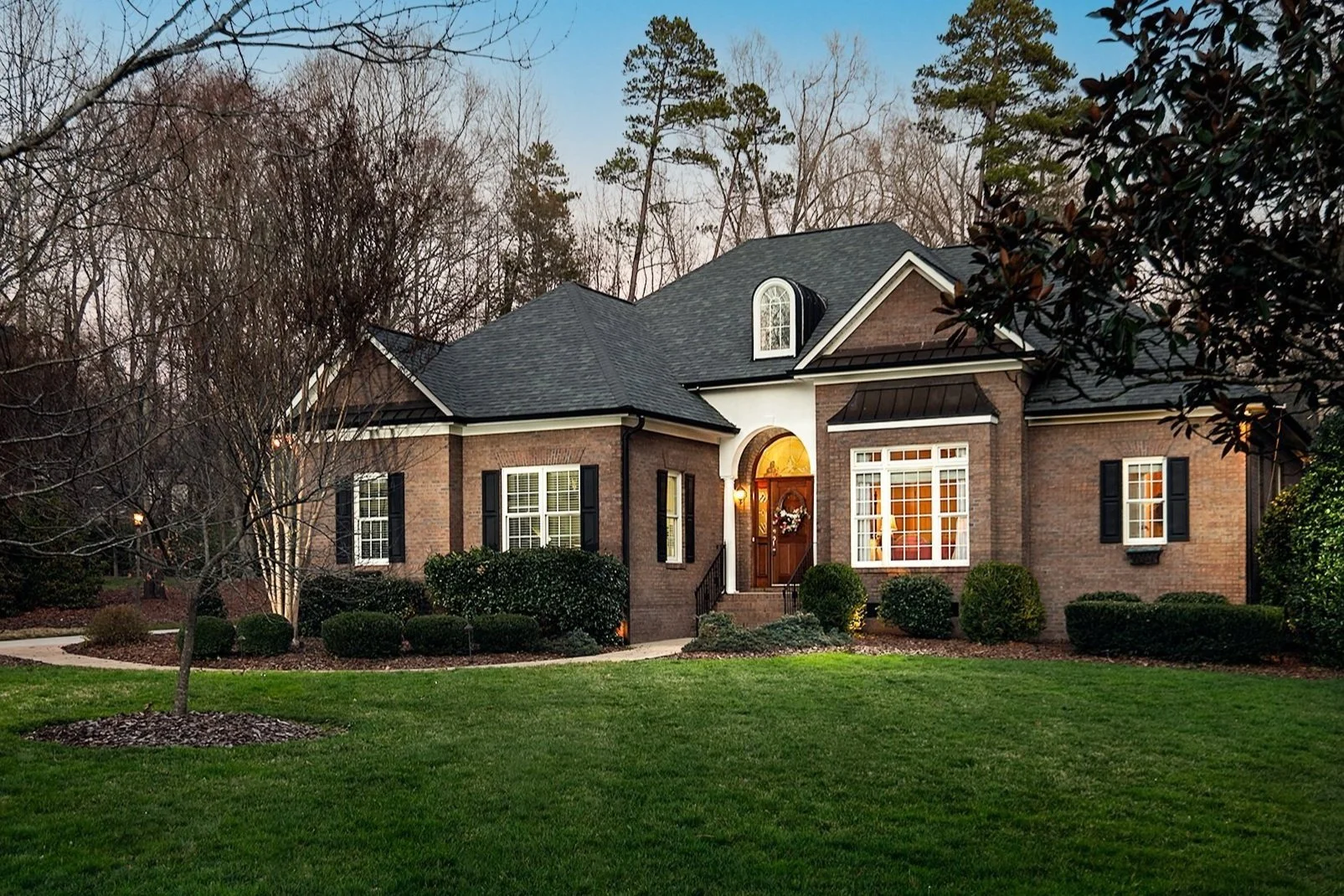
A beautiful house in Charlotte shot during the golden hour.
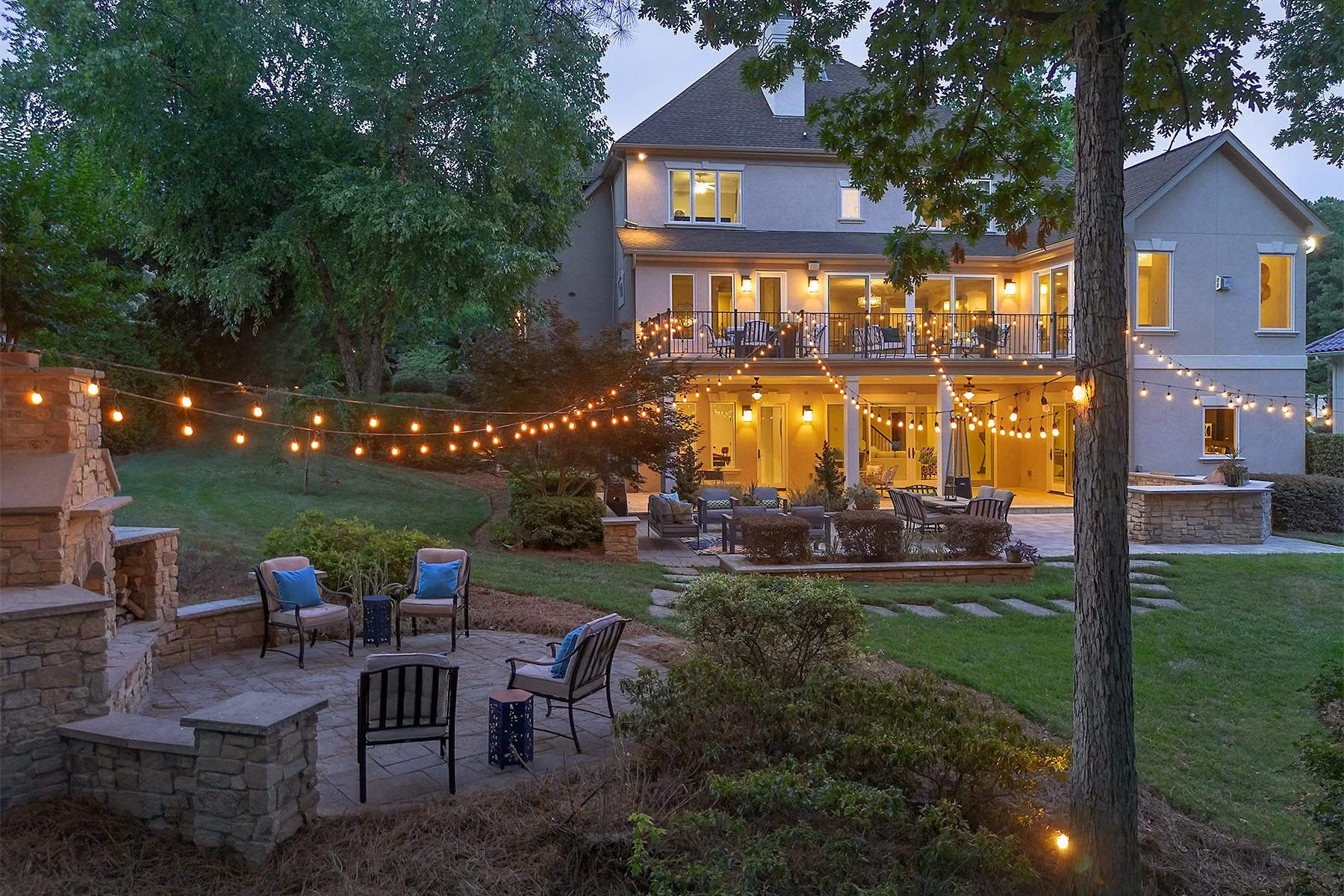
A beautiful backyard oasis shot at night.
Our Professional Twilight Process
Capturing a great twilight image isn't as simple as showing up at sunset and clicking a button. It requires precise timing and specialized equipment.
Because the light changes rapidly during the 20-minute "blue hour" window, we work efficiently using heavy-duty tripods and long exposures to soak up the available light. We often shoot multiple exposures—some exposed for the bright window lights, others for the deep shadows—and blend them together painstakingly in post-production.
This ensures the final image is crisp, the interior views aren't "blown out" to pure white, and the sky remains a rich, vibrant blue.
If you want your listing to be the one buyers stop scrolling for, learn more about our dedicated Twilight Photography Services here and add a session to your next shoot.
Case Study: Designing a Backyard Tiny Office Studio in Charlotte
A local design case study exploring the construction of a modern, glass-walled tiny office in a Charlotte backyard. We interview the architect about inspirations (like the Park Road Shopping Center sign), maximizing small spaces, and the realities of DIY building.
Editor’s Note: This interview was originally published on the Six Cents Media blog. While the specific contacts mentioned may have changed roles since then, the insights on local Charlotte design, small space architecture, and construction challenges remain valuable for anyone interested in unique property structures.
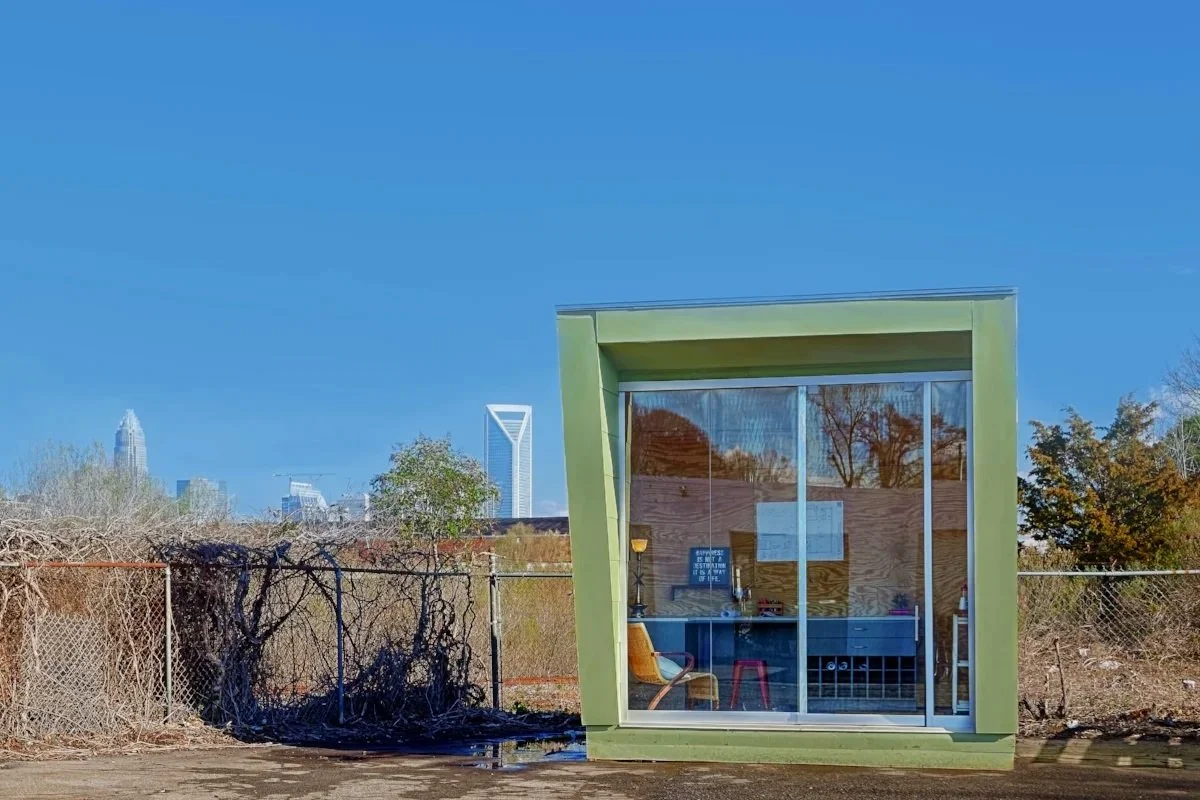
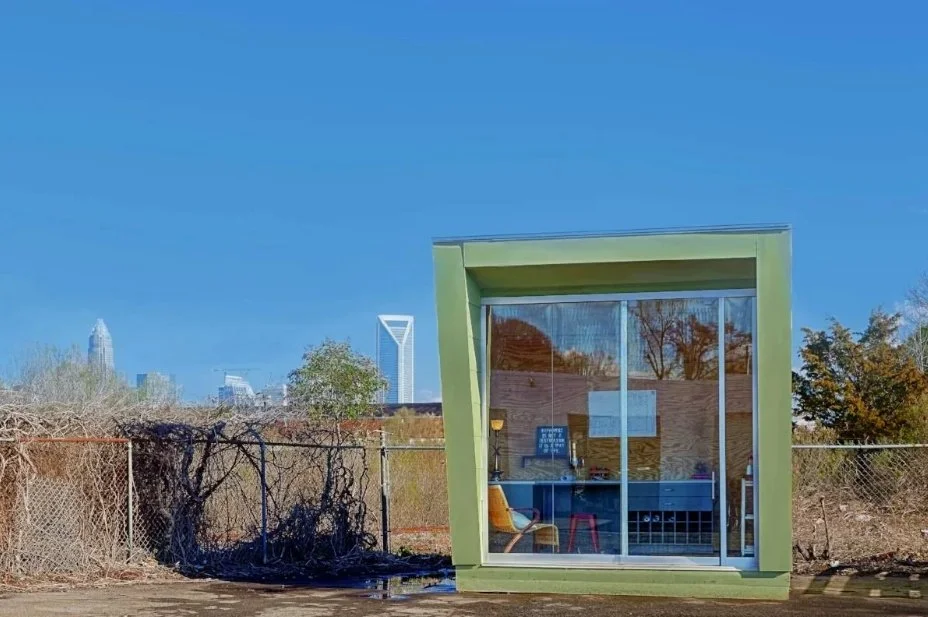
A tiny office built by Jes Sanders, an architect in Charlotte, NC.
The trend of "tiny spaces" and dedicated backyard offices has grown significantly in Charlotte as more professionals seek separation between home and work life.
This local case study explores the design and construction of a custom 10'x12' tiny office studio right here in Charlotte. In this interview with architect Jes Sanders (formerly of Studio S Architecture), we discuss how to make small footprints feel massive using glass walls, local design inspirations like the Park Road Shopping Center sign, and the real-world challenges of DIY construction versus partnering with local builders.
Maximizing Space in a 10'x12' Footprint
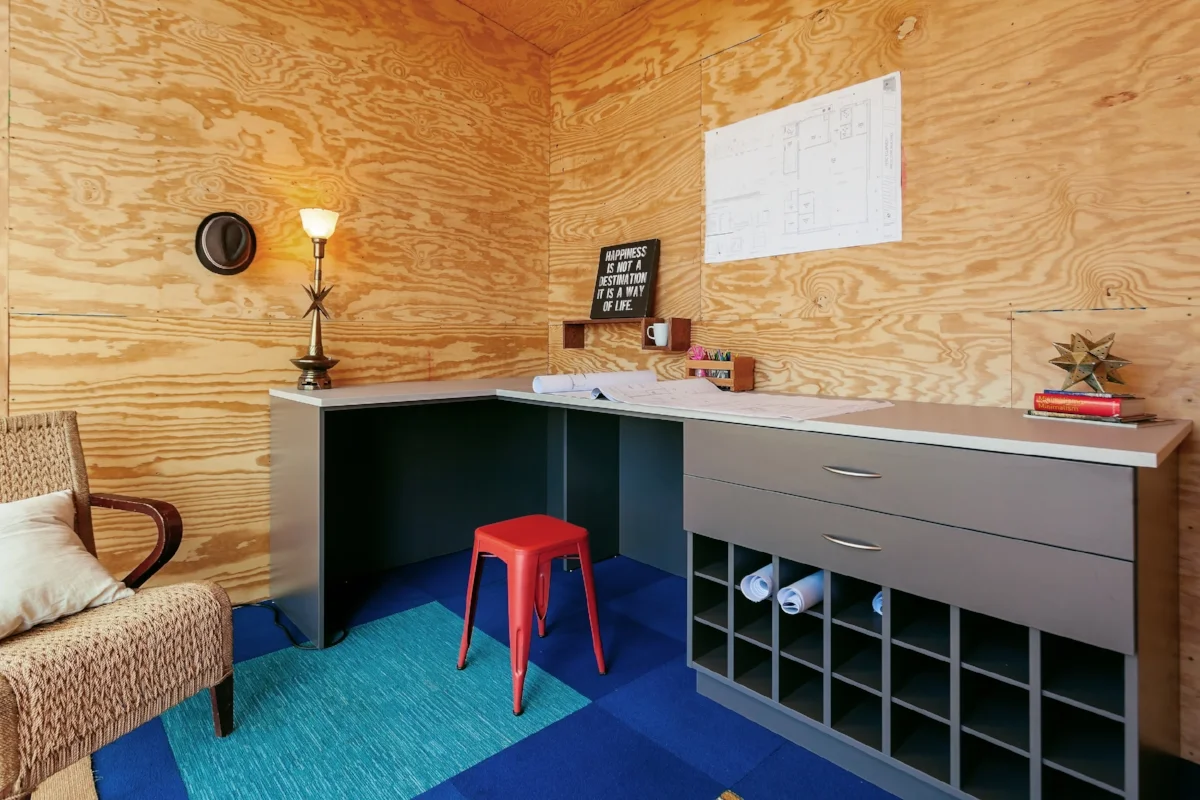
An interior shot of a tiny office studio.
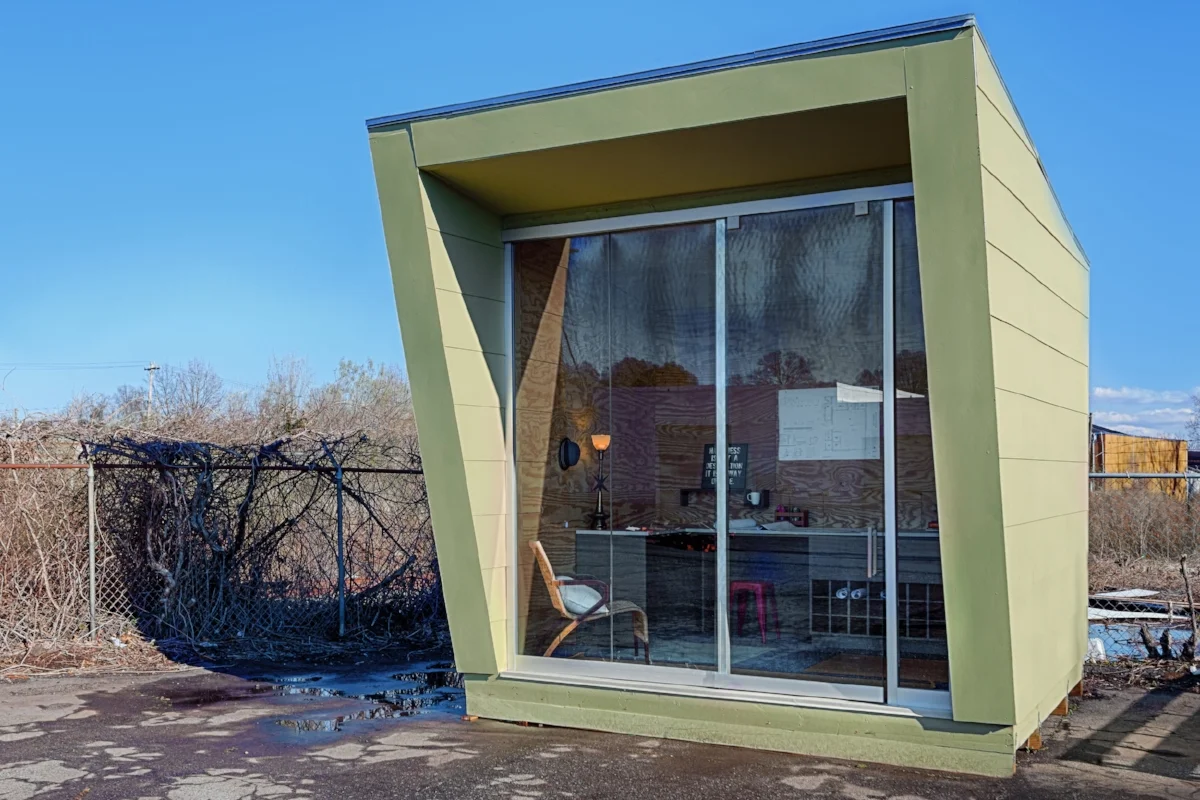
Outside of the tiny office studio.
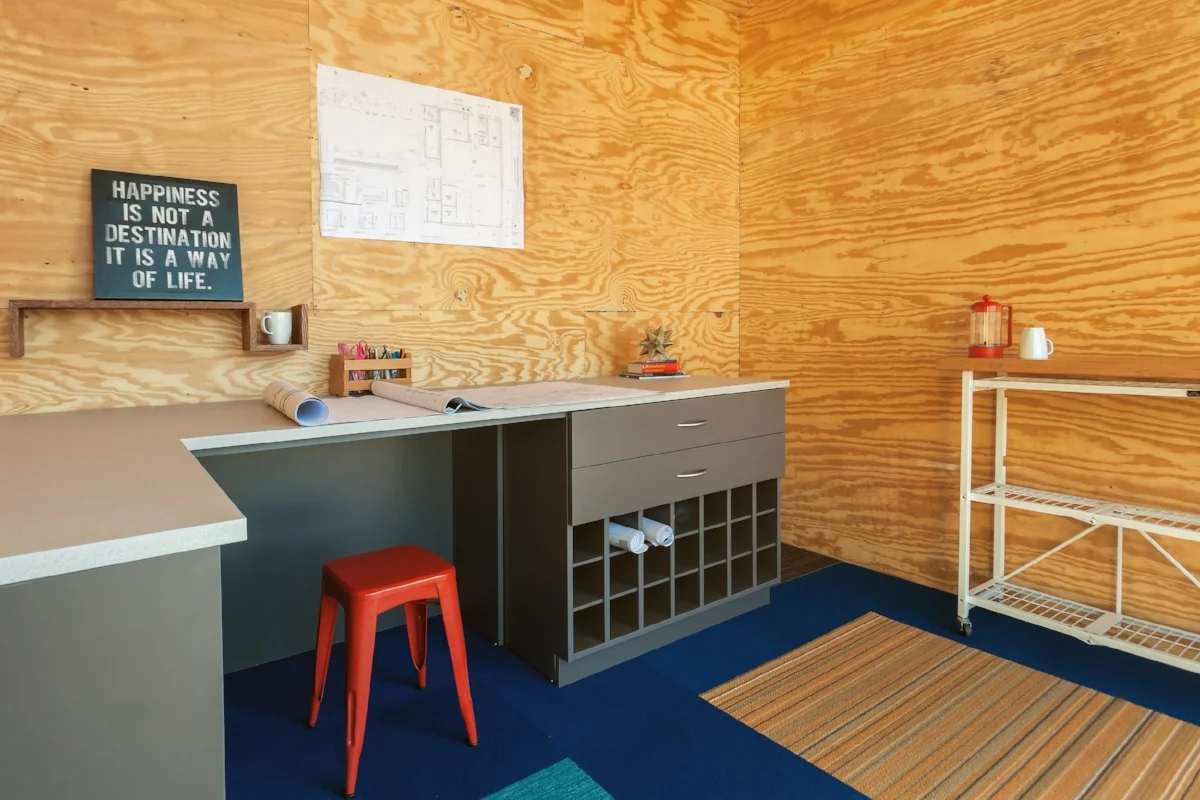
Another angle of the interior of the tiny office.
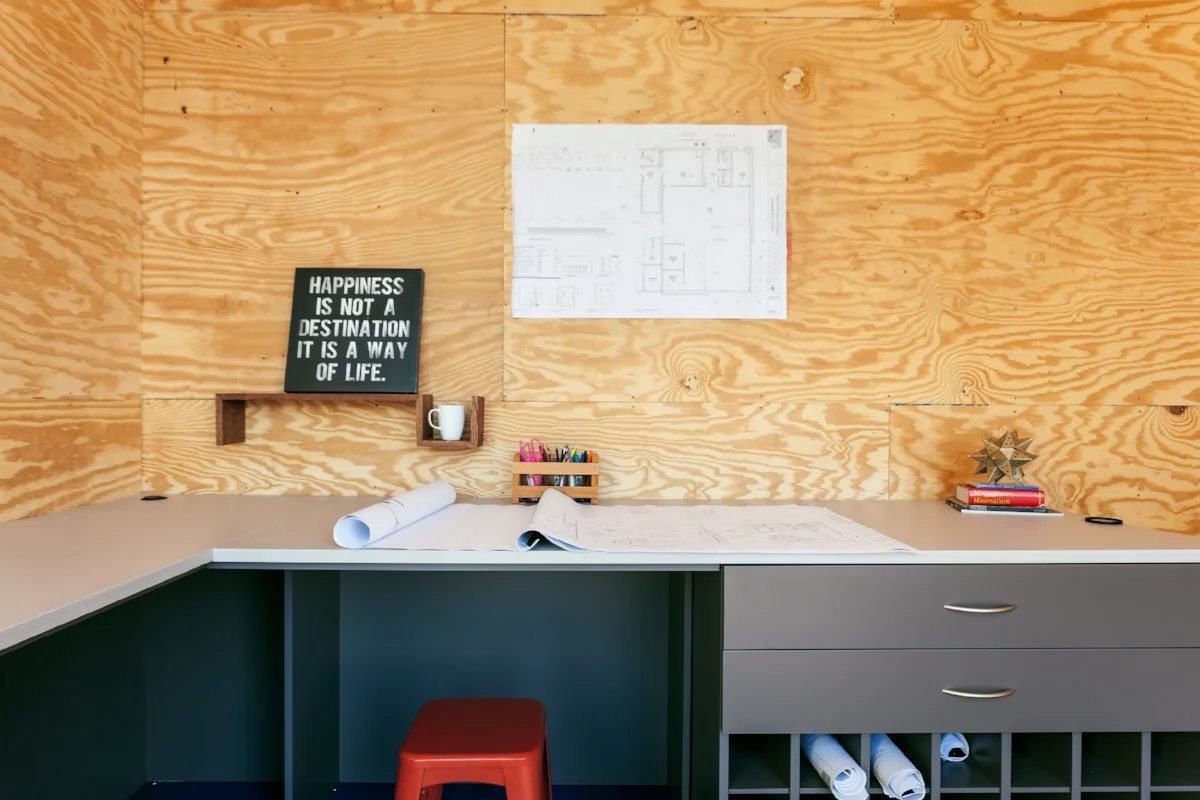
An inside look at the tiny office studio.
Jes Sanders:
The office is only 10’x12’ in plan. The height, however, grows from 10 feet up to about 13 feet. Inside feels really cavernous in a good way.
A local group called Patterson-Pope partnered on this project and donated a full-height glass wall system. The window wall is so large that the opening can take up your entire field-of-vision from the inside. This inside-outside relationship was really important to the design. Open views are a touchstone of architectural philosophy.
There is an appetite for large spaces, but we can create more "right-sized" spaces that feel monumental if we open up our rooms to the exterior. Furthermore, few spaces we create indoors can compete with an even average green space outside.
From a budgetary point of view, adding large windows to a project does incur a higher up-front cost. But there is savings to be had in making a building smaller, both in terms of initial construction costs, and in life-cycle heating, cooling, and maintenance costs.
Charlotte Design Inspirations (Park Road & Sci-Fi)
The form came from a desire for simplicity. This office is really a cube, the simplest constructible form, with only one architectural gesture. Even the roof is reduced to one slope, and the plywood inside is left in its natural state.
There have been two jokes made about the inspiration, and both are plausible ideas that crept into the subconscious psyche.

One is the terrific, genuinely retro sign for the Park Road Shopping Center here in Charlotte. Living across the street from the shopping center, I see the sign – which I have a fondness for – almost daily.
The other joke friends have made is likening the studio to the Jawa Sandcrawler from the original ’77 Star Wars movie. I fail to see the resemblance!

The Rise of the Backyard Office Trend
While tiny houses are obviously a big trend, there is real opportunity for a new work model. The professional world is growing more remote and virtual. The Tiny Studio offers a creative, dedicated workspace for the home worker or solo entrepreneur that is also able to be separated from home life.
Also, the budget fits. A full addition to a house could easily run many, many times the cost of a standalone “accessory structure”.
Local Collaboration with Patterson-Pope
Patterson-Pope contributed two items: the 10-foot tall tempered glass window wall with a sliding door, and an office-grade work-surface with drawers. The casework has flat file plan drawers and cubbies for rolled architectural drawings. Their contributions undoubtedly took the project from a fun hobbyist’s shed to a one-of-a-kind project—a real studio.
DIY Construction vs. Hiring a Builder
I am an architect and have an actual construction background. Even so, when you dig into any building project, there is always a lot more to it than you imagine. Conceptually, you may know how a building goes together, but the actual execution of cutting and nailing every discreet piece takes infinitely longer than the animation you might have playing in your mind.
If you are looking to build a Tiny building yourself, plan in a LOT of runs to the hardware and lumber store. If you forget one small item, which you will, this means another road trip.
The other challenge was just the time that it took in terms of weekends. You have to stay on a project like this. If you lose a weekend, you will lose two, and that could become a month. You have to keep the momentum. Forget your novel, forget your trips to Asheville, forget your brewery tour—this is going to be your “thing” for a while.
Despite the lamenting, I wouldn’t change anything. But I really was looking for an opportunity to get out from behind the desk and hit some wood. Even so, it took a lot of effort.
I would recommend, if you are interested in constructing your own "Tiny Whatever," to have someone else build it. My neighbors designed their own studio with a local shed company. They paid a comparable amount to what I put into my studio (including time and cash), and they got their shed delivered on a truck, without all the heavy lifting that I had to do.
Thanks for the interview Jes!
Asked for an Encore: Why Real Estate Clients Hire Me Back
You can't fake genuine connection. Read a personal story from Mike Dickerson about why homeowners asked for an 'encore' performance, and how building relationships is the real magic behind real estate photography.
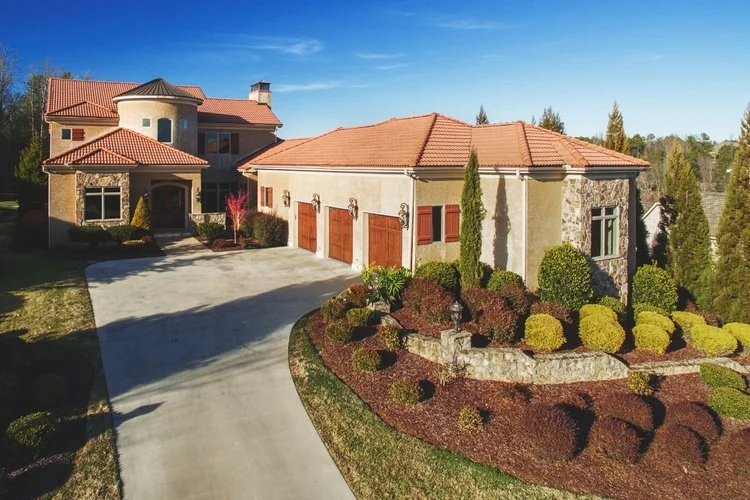
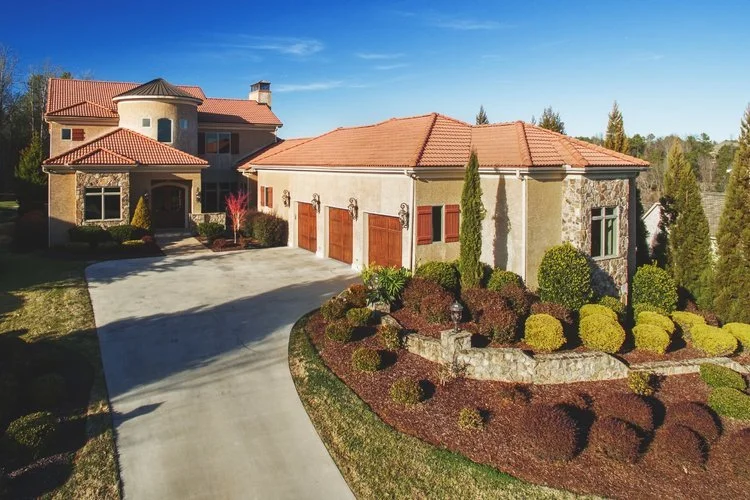
A beautiful aerial perspective of a client's new home in Charlotte.
You can't fake being genuine to people, they will smell it from a mile away. I absolutely love what I do as a real estate photographer, and it's written on my face from the second I show up with a smile, until the moment I leave wishing them a farewell and a fast sale of their property.
What happens in between that time though is where the real magic lies. The human connection that you can build with people by just listening to them and empathizing is the reason I feel so alive and continue to do what I do. I love learning from other people's experiences and insight and I don't mind at all when the homeowners follow me around their house from room to room. It gives me a chance to meet new people and connect on a much deeper level.
I first met this particular family when I came to photograph their house that was about to be put on the market. The pictures you see here are not of the house they had for sale but a house that they just purchased and recently moved into. Their house sold fairly quickly (within a week) even with the price being in the upper $500k range AND it being winter. I'm not saying that the beautiful pictures I took of their home had anything to do with it, but I'm also not saying it didn't ;)
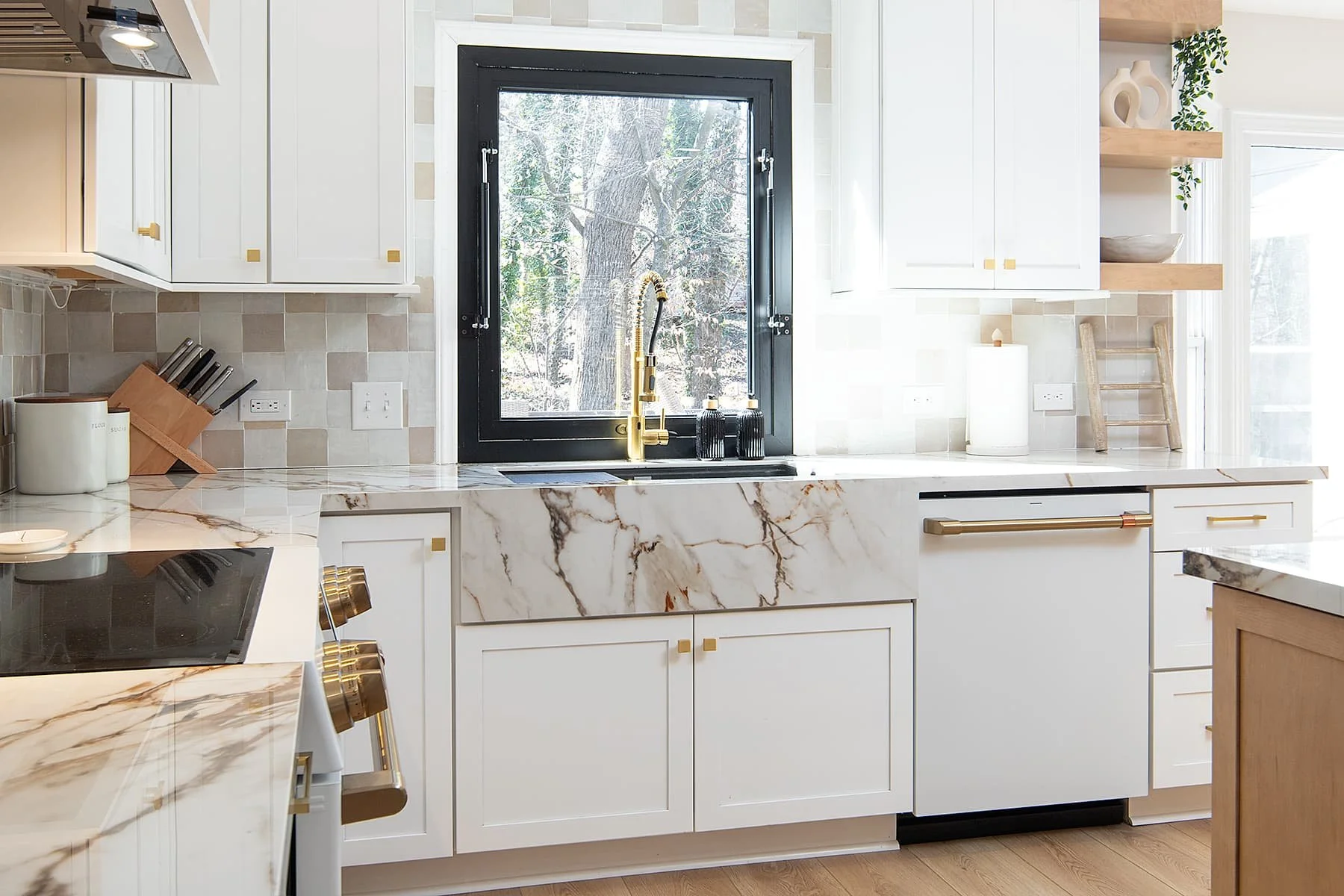
Capturing the heart of the home.
Anyway, after they settled into their new home and had a chance to add their own personal touches, the husband and wife asked their realtor for my phone number so they could contact me personally to come and shoot it. This isn't the first time I have been called by former homeowners wanting me to take pictures again. I've shot weddings, headshots, sports events and other various photography jobs.
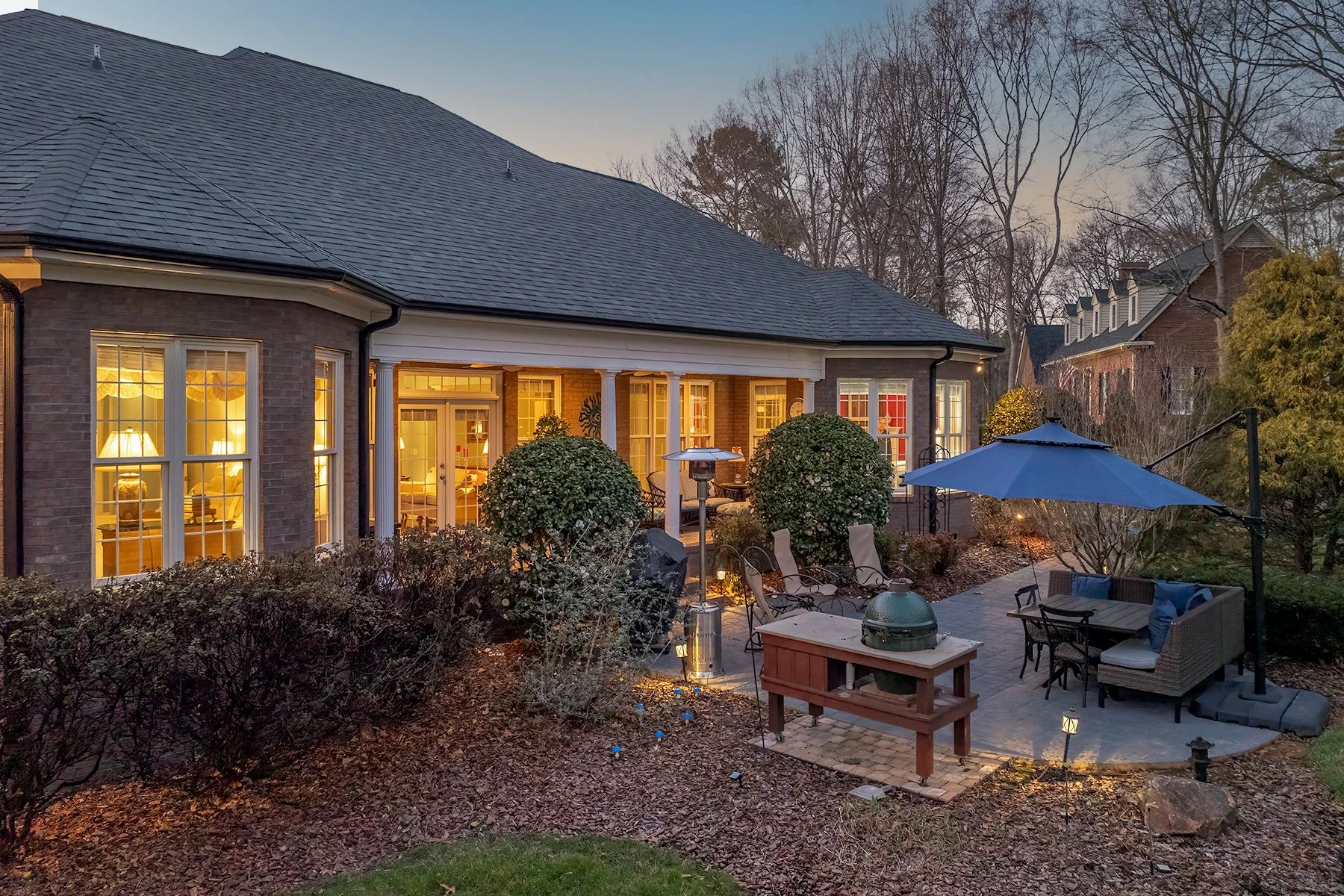
The backyard oasis.
When I knock on the door I never know who is going to open it up and that's what I love about my job. I myself am mixed Vietnamese/White and grew up in the Northern Virginia area, right outside of D.C. I had the pleasure to go to school with kids from many different ethnicities, backgrounds, and beliefs. The thing is I never saw them as different, they were my classmates and friends. I feel that those life experiences as a young child growing up in a melting pot of races has made me the person I am today.
Am I the best at what I do? Certainly not. What I can tell you is that I am always learning and trying to improve my skill set. That's why my company's slogan is "small change, BIG DIFFERENCE." Through constant small improvements and a willingness to look back and learn from my mistakes, that has made the biggest difference in my life. I will always be grateful and humbled when I am asked for an encore.
The $50 Secret to Professional Real Estate Photos: The Circular Polarizer
Learn the pro secret to removing glare from hardwood floors and windows in real estate photography using a simple, affordable circular polarizer filter. See before and after examples.
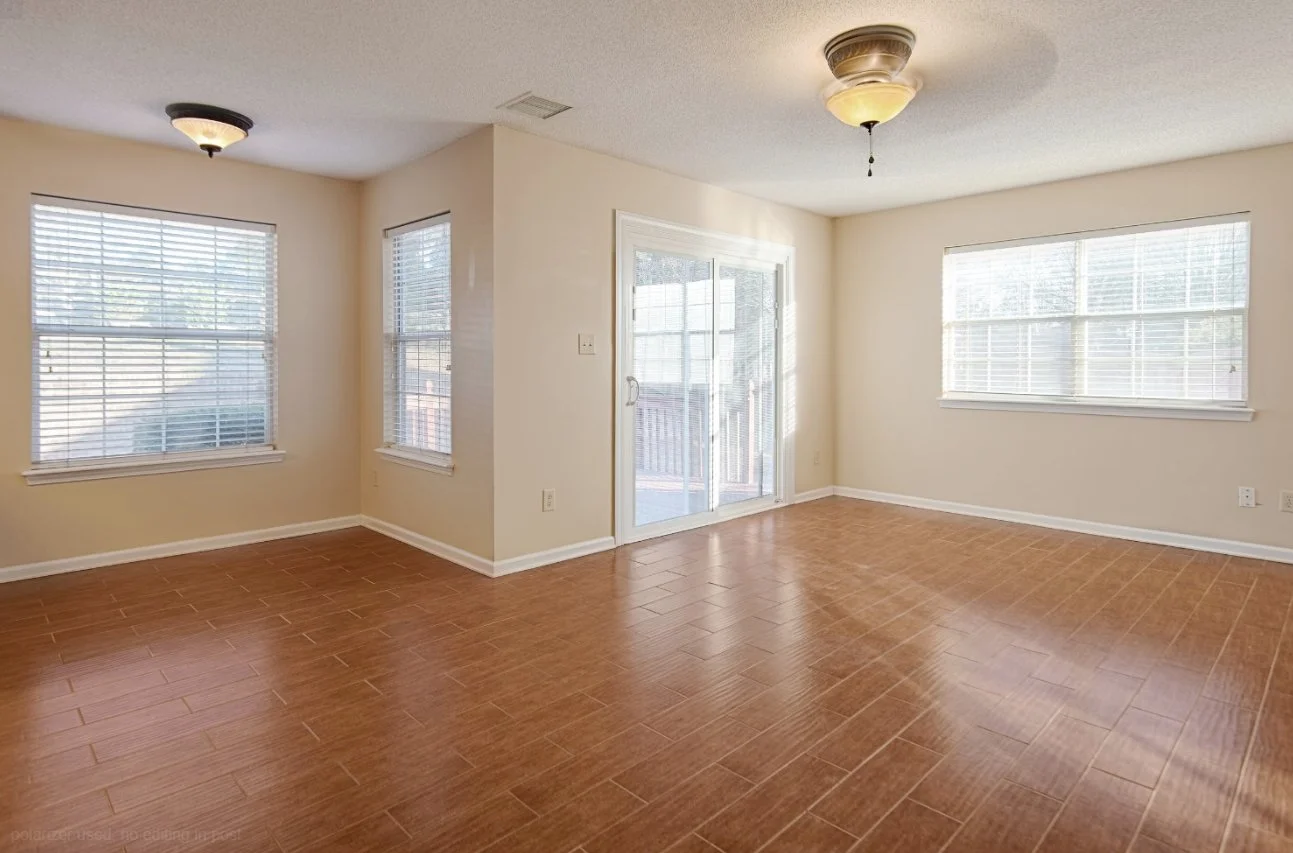
The single best way to reduce harsh glare on reflective surfaces like hardwood floors and windows in real estate photography is by using a simple, affordable tool called a Circular Polarizer (CPL) Filter. This lens filter works by cutting out polarized light reflections, instantly revealing the wood grain and textures beneath the surface without requiring complex editing.
If you’ve photographed real estate in Charlotte for any length of time, you know the struggle: beautiful hardwood floors that act like giant mirrors. Instead of showing rich color and texture, they bounce light straight back into the camera—creating those bright, blown-out white spots that ruin a shot.
Once you notice these blown-out spots, you can't unsee them. And the worst part? They instantly make the photo feel amateur. A stunning, expensive floor can end up looking cheap, flat, and distracting.
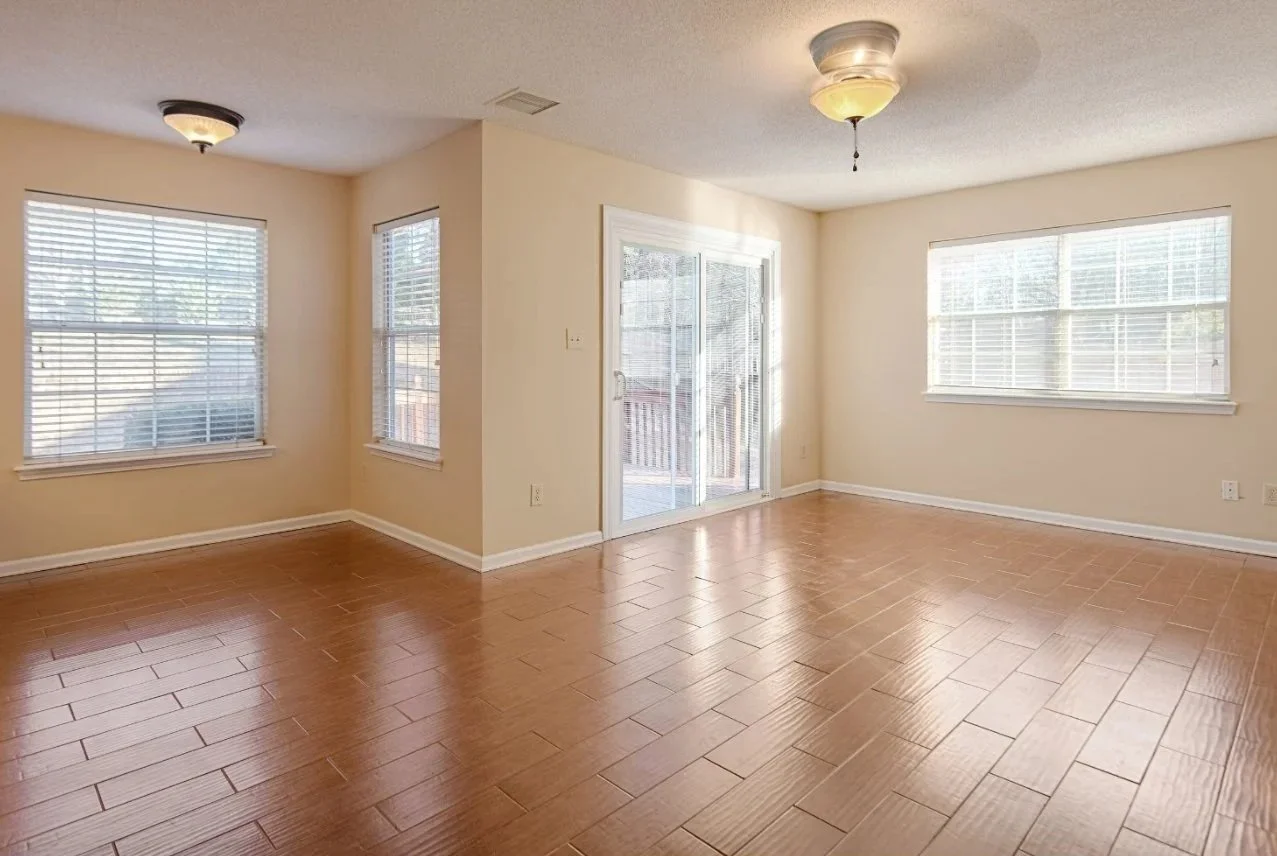
Before: Harsh glare from the window obscures the beautiful wood grain on the floor.
For about $50, this little filter screws onto your lens and solves this instantly. It cuts reflections, brings back the natural grain of the wood, and helps your images look cleaner, richer, and more professional.
What is a Circular Polarizer?
Think of a polarizer filter as polarized sunglasses for your camera lens. Just as polarized sunglasses cut the glare off the ocean or a wet road so you can see clearly, a CPL cuts the glare off floors, countertops, and windows so the camera can see the textures underneath.
It’s Not Just For Hardwood Floors
While essential for gleaming hardwood, the polarizer is an invaluable tool in a professional camera bag because it works on almost everything inside a home.
It cuts distracting reflections on:
Ceramic and porcelain tile
Granite and marble countertops
Shower glass doors
Windows (allowing you to see the view outside rather than a reflection of the room)
Basically, it works on almost any non-metallic surface.
How to Use It (The Important Twist)
Using a CPL isn't just about screwing it onto the lens. It's an active tool.
The filter has a rotating front element. As you compose your shot looking through the viewfinder or at your screen, you must slowly rotate the end of the filter. As you twist it, you will magically see the glare appear and disappear on the floor surfaces.
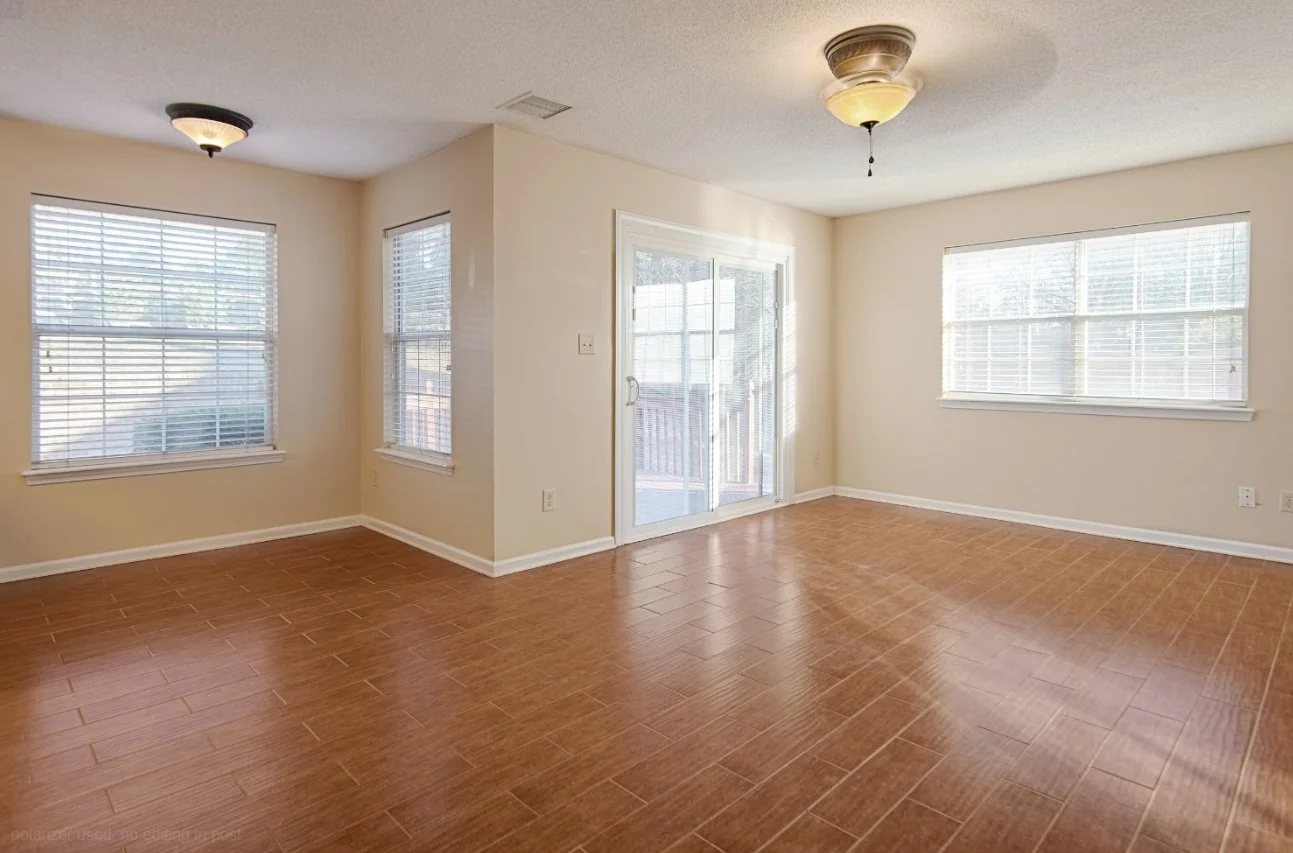
After: With the polarizer rotated correctly, the glare is gone and the floor texture is rich and clear.
You rotate the filter until the glare is minimized and the true color of the wood or tile pops through.
A Quick Warning on Light
There is one catch to using a CPL: it cuts out light.
When you attach a polarizer, you will lose anywhere from 1 to 2 "stops" of light. This means your camera is receiving less light, so you must compensate by using a slower shutter speed or a higher ISO.
For professional real estate photography, this means a tripod is absolutely essential when using a polarizer indoors to ensure sharp images at slower shutter speeds.
Getting Started
You don't need to spend a fortune, but avoid the super-cheap filters on Amazon, as they are often made of plastic and will degrade your image sharpness. Look for reputable brands that use real glass (like Hoya, Tiffen, or B+W) and ensure you get the correct millimeter size to fit your specific lens diameter.